Lake Atitlán altitude
Lake Atitlán's surface sits at 1,562 meters (5,125 feet), which is below the roughly 2,500 meter threshold where altitude sickness typically begins, so most travelers feel fine immediately.
Lake Atitlán sits at 1,562 meters (5,125 feet) elevation, moderately high but below the 2,500 m altitude sickness threshold. Most travelers notice no effects. Nearby Sololá reaches 2,113 m. The volcanoes are the real altitude exposure: Volcán San Pedro (3,020 m), Tolimán (3,158 m), and Atitlán (3,537 m), which requires 2-3 days of acclimatization at lake level first.
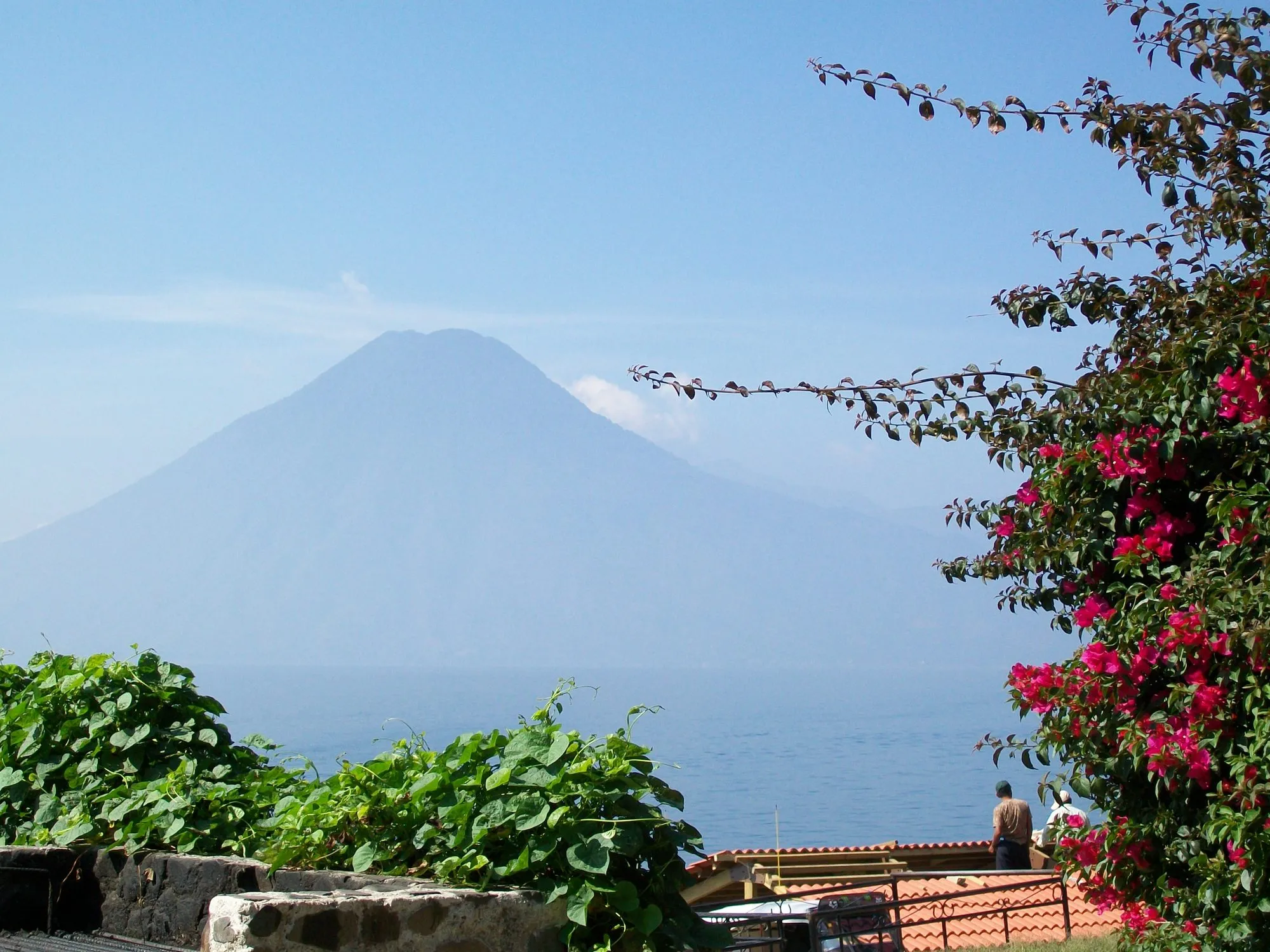
What the altitude actually feels like
Most travelers arrive without noticing the altitude. Some feel a slight shortness of breath when climbing the steep paths in San Marcos, San Pedro, or Santa Cruz the first day. Mild headache or fatigue is occasional and resolves within 24-48 hours.
The transition from Antigua (1,533 m) is essentially zero. From Guatemala City (1,500 m) the same. Coming directly from a sea-level flight (US, Mexico City via short transit), you may feel it on day one: take it easy, hydrate.
When altitude does matter
The volcanoes are the real altitude exposure. Volcán San Pedro (3,020 m) is the most accessible and the gentlest. Volcán Tolimán (3,158 m) and especially Volcán Atitlán (3,537 m) are serious hikes: if you have any history of altitude issues, consult your doctor before attempting.
Sololá at 2,113 m is a noticeable bump from the lake. Bring a layer. It's cooler too. The half-day market visit doesn't require acclimatization but expect to feel the climb.
Practical acclimatization tips
- Hydrate aggressively in your first 24 hours: aim for 3+ liters of water
- Skip the first-night party. Heavy alcohol amplifies altitude effects.
- If you're hiking a volcano, spend 2-3 days at lake level first
- For sensitive travelers: ibuprofen or acetazolamide (Diamox, prescription) help
- Coca tea (té de coca) is a traditional remedy and is widely available
Health at altitude: UV, hydration, and dengue
The elevated UV index is one of the effects of altitude that travelers consistently underestimate. At 1,562 m, UV radiation is meaningfully stronger than at sea level, and it reflects off the lake surface. SPF 50 sunscreen, reapplied every 90 minutes near water, is not optional. A brimmed hat makes a larger difference than most travelers expect.
Dehydration compounds altitude effects. The dry-season air (November through April) at the lake feels comfortable and travelers often drink far less than they should. Three liters of water per day for the first 48 hours is the recommended starting point. Alcohol dehydrates faster at altitude and its effects hit harder: pace yourself on arrival night regardless of what your tolerance is at sea level.
Dengue mosquitoes are present at lake elevation even though malaria risk is low above 1,500 m. Use DEET-based repellent. The NHS Fit for Travel and CDC both note that malaria tablets are not usually advised for Lake Atitlán, but dengue prevention (repellent and covering up at dawn and dusk) applies year-round.
Medical care at the lake
Private clinics in Panajachel can handle minor illnesses, infections, and injuries. Consultation costs run about Q200-400 ($26-51 USD, last checked 2026). Pharmacies in most towns stock common medications over the counter, often without a prescription required: expect to pay Q30-100 per item. For anything serious, the standard path is evacuation to Guatemala City, about three hours by road. Travel insurance that covers medical evacuation is strongly advisable.
If you need altitude-sickness medication: acetazolamide (Diamox) requires a prescription. Ask your home doctor before you leave if you have a history of altitude problems. Ibuprofen is available over the counter at most lake pharmacies. Coca tea is available at most markets and some cafes; it is a mild traditional remedy for altitude adjustment.
Why altitude figures vary between sources
You may see Lake Atitlán listed at 1,555 m, 1,560 m, or 1,562 m in different sources. The 1,562 m figure is the one corroborated by the most current sources and should be used as the primary reference. The 1,555 m figure comes from the 1987 Newhall et al. academic paper and reflects an older measurement methodology or reference point. The 1,560 m figure appears in some INGUAT materials. The difference is practically insignificant for health planning: at any of these elevations, the altitude sickness threshold of 2,500 m is comfortably above where you are staying.
Frequently asked questions
Is Lake Atitlán high altitude?
Moderately high. The lake surface sits at 1,562 meters (5,125 feet). This is below the threshold where significant altitude sickness typically begins, around 2,500 m (8,200 ft). Most travelers feel fine immediately, though some experience mild fatigue or shortness of breath on hills for the first day or two.
Can you get altitude sickness at Lake Atitlán?
It's uncommon but possible, especially arriving directly from sea level and immediately doing strenuous activity. Mild symptoms like headache, fatigue, or slight nausea usually resolve within 24-48 hours. Real altitude sickness becomes a risk mainly when hiking the volcanoes (3,020-3,537 m) or visiting Sololá at 2,113 m.
How do I prevent altitude issues at Lake Atitlán?
Hydrate aggressively with water, not just coffee or alcohol. Skip strenuous hikes the first 24 hours and avoid heavy alcohol on arrival night. Coca tea and ibuprofen help with mild symptoms. Consult your doctor about acetazolamide (Diamox) if you have a history of altitude problems.
Is the volcano hike safe at this altitude?
For healthy adults, yes, but acclimatize first. Volcán San Pedro at 3,020 m is the most-climbed and the gentlest. Volcán Atitlán at 3,537 m is significantly more demanding: spend at least 2-3 days at lake level before attempting it, and always go with a local guide.
Why do altitude figures for Lake Atitlán vary between sources?
You may see the lake listed at 1,555 m, 1,560 m, or 1,562 m. The 1,562 m figure is corroborated by the most current sources and is the primary reference used here. At any of these elevations, you remain comfortably below the 2,500 m altitude sickness threshold.